There's a particular kind of happiness in eating a hot meal outdoors, even a plain one. Food tastes better after a day in the fresh air, and cooking at camp turns dinner from a task into part of the fun. It also intimidates a lot of beginners more than it should, usually because they picture elaborate campfire feasts. You don't need any of that. A few simple skills and one or two easy meals will feed you well and leave you looking forward to the next trip.
The trick is to keep it modest, especially at first. Ambitious camp cooking is where dinners go cold, tempers fray, and someone ends up eating dry cereal at nine at night. Master the simple version — a reliable heat source, easy food, and a clean, safe setup — and you can get fancier whenever you feel like it.
Choose your heat: stove or fire#
Your first decision is what you'll cook on, and for most beginners the answer is a small camping stove rather than a fire. A stove lights instantly, gives you steady, controllable heat, works in the wet, and doesn't depend on finding dry wood or a site that allows fires. A canister stove that screws onto a small gas cartridge is about as simple as cooking gets, and it's hard to go wrong.
Campfire cooking has real charm, and there's nothing like it for atmosphere, but it's slower, messier, and far more dependent on conditions and skill. Fires are often banned in dry seasons or specific areas, they blacken your pots, and they demand constant attention. If you do want to cook over flames, treat it as a bonus rather than your only plan, and read up on campfire safety basics before you rely on one for dinner.
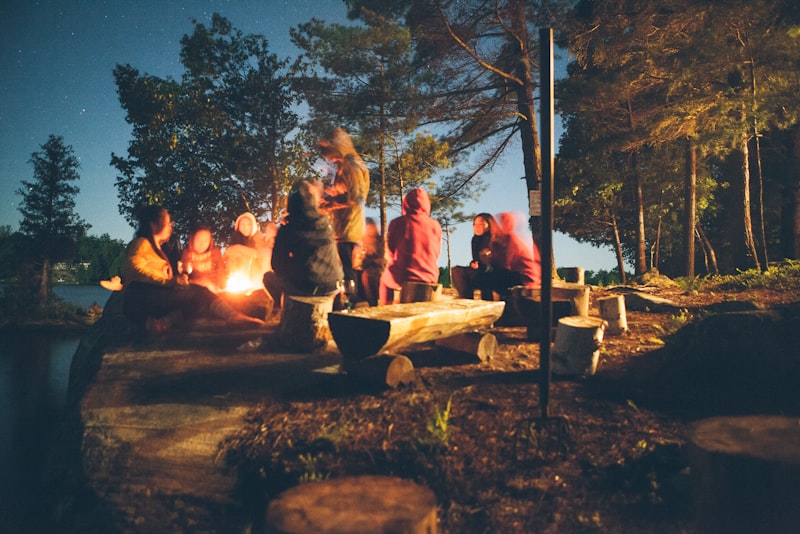
Many experienced campers carry a stove for actual cooking and enjoy a fire separately for warmth and company. That combination gives you a reliable meal and the campfire experience without betting your dinner on the weather.
Plan meals you'll actually enjoy#
Good camp food starts at home with a little planning. Decide your meals before you go, write a short list, and prep what you can in advance. Chopping vegetables, mixing spices, or portioning ingredients at your kitchen counter is far easier than doing it on a wobbly camp table with cold hands.
For a first trip, lean on meals that are simple and forgiving:
- One-pot dinners like pasta, rice dishes, or a hearty soup that cook in a single pot with little fuss
- Pre-cooked or quick foods you just need to heat, which cut down on effort and cleanup
- Breakfasts that don't fight you in the morning, such as oats, eggs, or something you prepped ahead
- Reliable snacks and lunches that need no cooking at all, so you're never dependent on the stove
Pack a little more food than you think you'll need. Appetites grow outdoors, and a spare meal is cheap insurance against a delayed plan or a bad day. Bring one simple treat, too — good coffee, hot chocolate, something small — because a comfort food at the end of a long day is worth its weight.
Cook safely and comfortably#
A campsite kitchen has a few hazards a home kitchen doesn't, and a little care keeps them boring. Start with a stable surface. A stove tipping over with a pot of boiling water on it is a real risk, so set it on firm, level ground or a solid table, sheltered from wind, and well away from your tent and anything flammable.
Ventilation is not optional. Camping stoves and any burning fuel produce carbon monoxide, an invisible, odorless gas that is genuinely dangerous in enclosed spaces.
Never cook or run a stove inside a tent, a closed vehicle, or any sealed space. Cook in the open air, and keep flames and hot stoves at a safe distance from your tent so a flare-up or spill can't set the fabric alight.
Watch your food temperatures, too, especially with meat, dairy, and leftovers. Keep cold food cold in a cooler with ice packs, cook meat through properly, and don't let cooked food sit out for long in warm weather. Bring hand sanitizer or wash your hands before handling food, since camp hygiene is easy to let slide and stomach trouble far from a bathroom is genuinely miserable. If someone does get seriously ill — persistent vomiting, signs of dehydration, anything alarming — that's a reason to seek medical help rather than wait it out.
Keep your kitchen clean and wildlife-free#
What you do after eating matters as much as the cooking. Food smells attract animals, from curious mice to much larger visitors depending on where you are, and a messy camp is an open invitation. Clean up promptly and completely, wiping down surfaces and washing dishes well away from any water source so you don't pollute streams or lakes.
Store food and anything scented — including toothpaste, trash, and cooking gear — sealed and secured, not loose in your tent. In many areas that means keeping food in your vehicle, a hard container, or hanging it well off the ground; check the local rules, because some places have specific requirements for good reason. Pack out all your rubbish and food scraps, since even "natural" leftovers like fruit peels don't belong and teach animals to associate campsites with food.
A clean kitchen is also a safer and more pleasant one. You'll cook faster next time with organized gear, you won't attract pests, and you'll leave the site as good as you found it for whoever camps there next. Good camp habits and leave-no-trace thinking go hand in hand.
Make it easy and make it yours#
Camp cooking rewards simplicity more than skill. The campers who eat best aren't the ones with the most equipment; they're the ones who planned easy meals, brought a reliable stove, and set up a safe, tidy kitchen. Start there, get comfortable, and then experiment as much as you like once the basics are second nature.
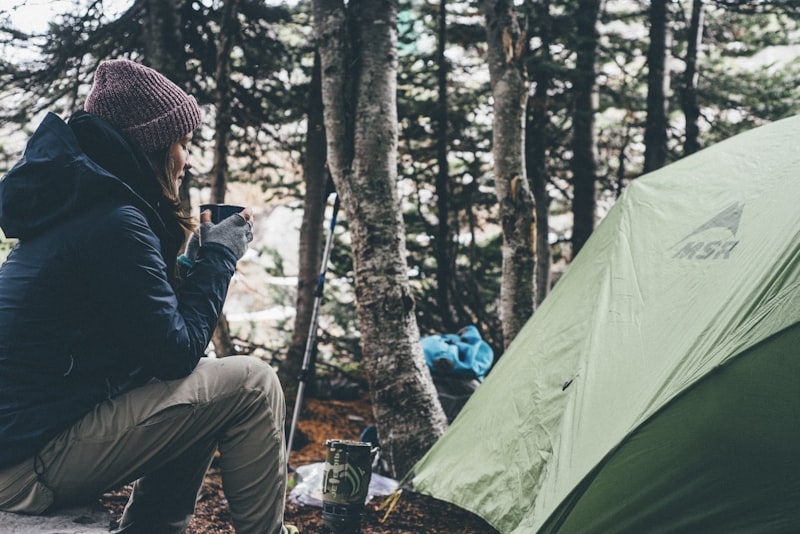
Above all, keep the pressure low. A pot of noodles eaten as the sky goes dark, a warm drink cupped in cold hands, breakfast cooked slowly with no reason to hurry — that's the real pleasure of feeding yourself outdoors. If you're still planning your very first outing, our beginner camping trip guide ties the food into everything else you'll want ready. Nail the simple meal, and you'll have earned every bit of that quiet satisfaction that comes with cooking and eating under an open sky.