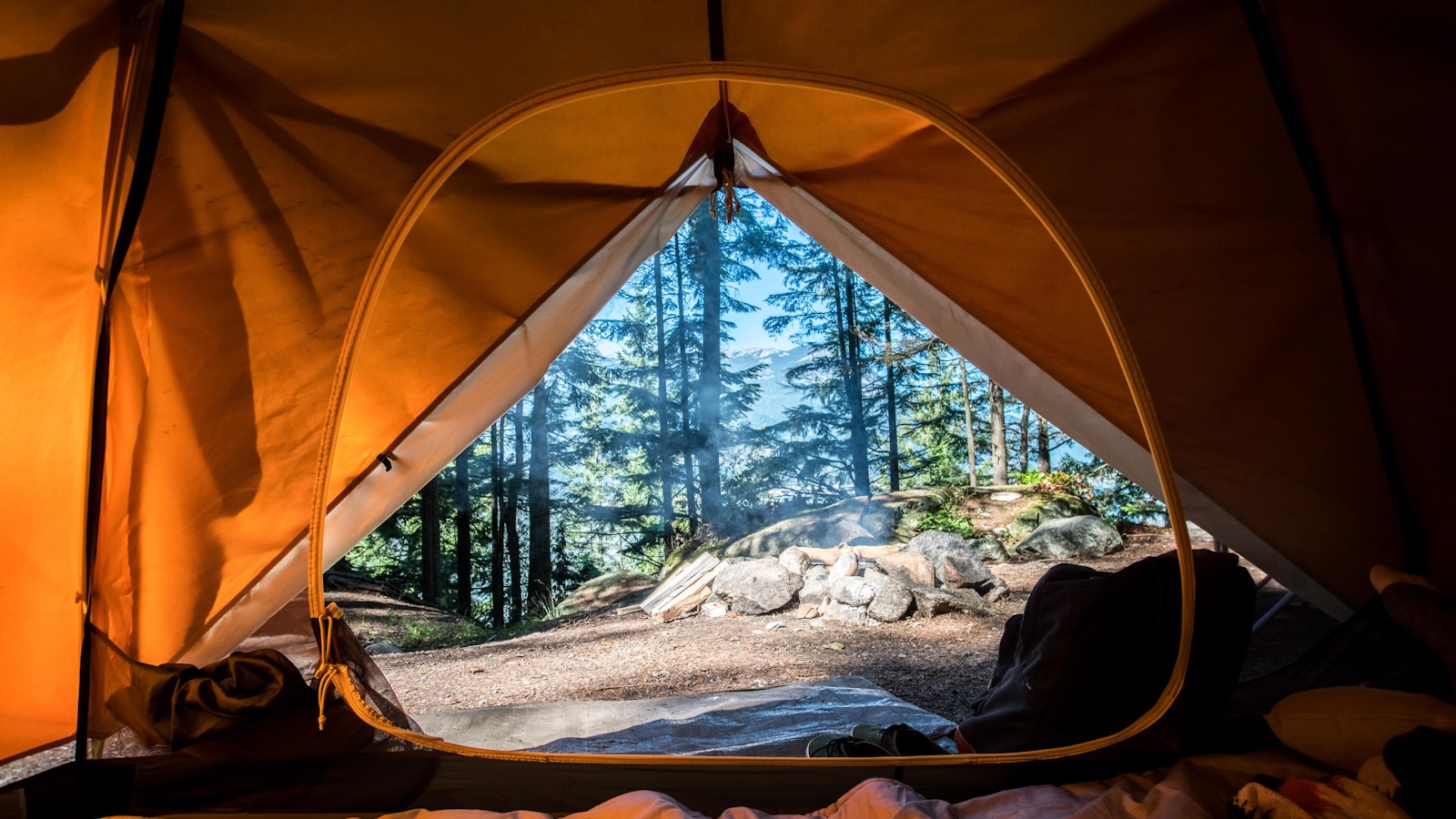
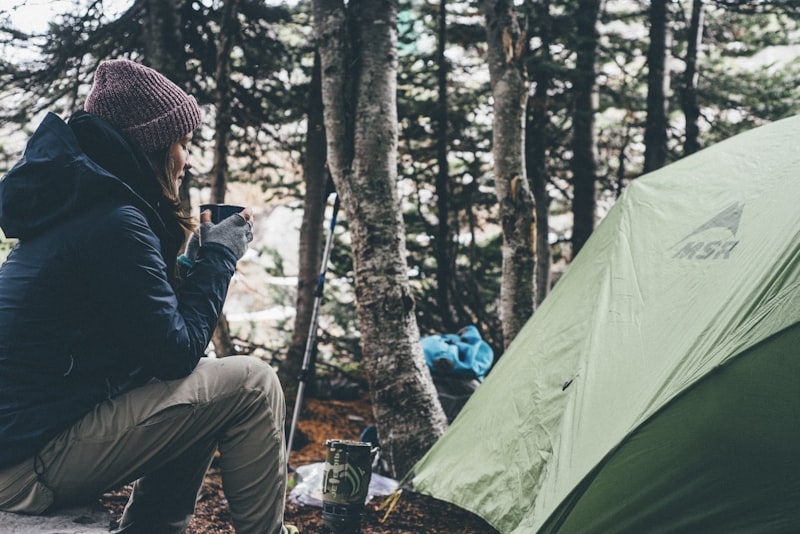
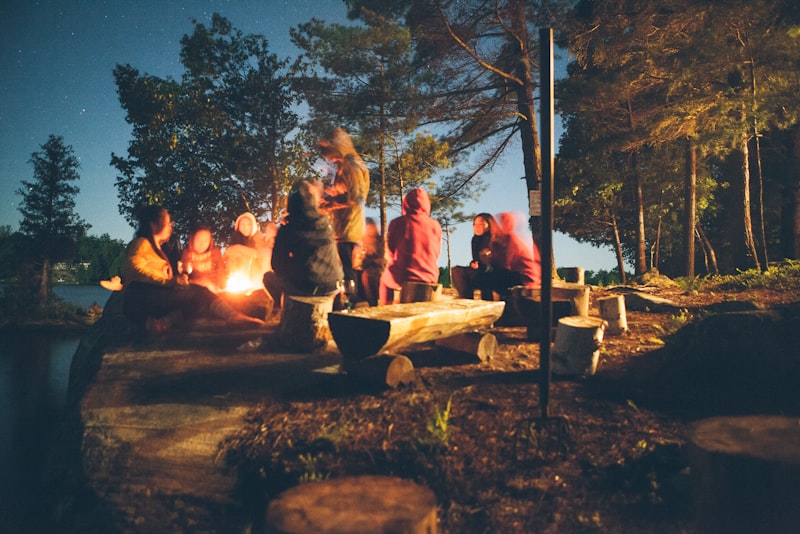
The first camping trip is mostly a confidence problem, not a skills problem. Almost everything you need to know is simple, and the parts that feel intimidating — pitching a tent, cooking outside, sleeping in the dark with owls for company — turn out to be far easier in practice than in your imagination the night before. What trips people up is trying to do too much on the first go, in the wrong weather, miles from anywhere, with gear they've never touched.
So we're going to do the opposite. This guide is about a small, gentle first trip that you actually enjoy, so you want a second one. Get the easy version right and everything bigger becomes possible later. The goal isn't to prove anything. It's to spend a night outside, wake up a little proud of yourself, and come home wanting more.
Start small and close to home#
Pick somewhere near, easy, and forgiving. A well-run campground an hour from your house is a far better first choice than a remote backcountry site, and there's no shame in that — it's the smart move, not the timid one. A managed site usually means flat ground, drinking water, toilets, and other people nearby if something goes sideways. All of that quietly removes the things most likely to turn a first trip stressful.
Go for one night, maybe two. A single night outdoors teaches you almost everything a week would, but with a fraction of the risk and none of the "I've made a huge mistake and I'm here for six more days" feeling. If it rains, if you're cold, if you forgot the coffee, it's over by breakfast and you've learned exactly what to fix next time.
Aim for good weather on purpose. There's a kind of camper who brags about surviving a storm, but that's not the trip you want first. Choose a mild, dry-looking window in late spring or early autumn, when nights aren't freezing and days aren't brutal. You can chase harder conditions once you know what you're doing.
Check the weather and tell someone your plan#
Before anything else, look at the forecast for your specific spot, not just the nearest city. Mountains, forests, and lakesides can be noticeably colder, wetter, and windier than the town twenty minutes away. Check it again the morning you leave, because forecasts drift. If the outlook turns genuinely bad — high winds, storms, a cold snap you're not equipped for — postpone. The mountain, the woods, and the lake will still be there next weekend.
Then do the single most important thing in this entire guide: tell someone where you're going and when you'll be back.
Leave a plan with a friend or family member: the name and location of your campsite, the route you're taking, who you're with, and the time you expect to be home. Agree on when they should worry and what they should do if they don't hear from you.
This costs you one text message and buys an enormous amount of safety. If anything goes wrong, the difference between a quick response and a slow one often comes down to whether a single person knew where to look. Cell coverage at campsites is unreliable, so never assume you'll be able to call for help from your tent.
While you're planning, read up on where you'll pitch. Our guide on how to choose a good campsite walks through picking a spot that's flat, safe, and comfortable once you arrive.
Pack for warmth, dryness, and light#
New campers tend to pack for every imaginable disaster and forget the three things that actually make or break a night: staying warm, staying dry, and being able to see. Sort those out and you're most of the way there.
Here's a sensible starter list for a first campground trip:
- A tent you've practiced pitching at home at least once
- A sleeping bag rated for colder than you expect, plus a sleeping pad for insulation from the ground
- Warm layers, including a hat, and a full change of clothes kept dry in a bag
- A rain jacket, even if the forecast looks clear
- A headlamp and a backup light, with spare batteries
- Water, or a way to treat it, plus simple food and a basic stove or the site's fire ring
- A small first-aid kit and any personal medication you take
Notice what's not on there: gadgets, luxuries, and "just in case" items that triple your load. You can add comforts once you know what you actually miss. For a first night, warmth and dryness beat everything, and a good night's sleep is worth more than any clever tool.
Set up camp before dark#
Arrive with daylight to spare. Pitching a tent for the first time is easy in the afternoon sun and genuinely miserable by phone light in a rising wind. Give yourself a couple of hours of margin so you're not rushing, and so you can fix mistakes calmly.
Do things in order. Pitch the tent first, on the flattest, driest ground you can find, then sort out sleeping gear so your bed is ready before you're tired. After that, set up your kitchen and water, and figure out your fire or stove while you can still see clearly. By the time the light fades, camp should already feel settled, which turns dusk into the nicest part of the day rather than a scramble.
If you're using a campfire, treat it with respect from the start. Know your site's fire rules, keep the fire small and contained, never leave it alone, and put it out completely before you sleep. Fire is the one camp mistake that can turn dangerous fast, so it's worth reading campfire safety basics before you strike a single match.
Know your limits and keep it fun#
The best first trip is one where you stay well within your comfort zone. You don't need to hike far, cook anything ambitious, or tough out conditions that scare you. If you're cold, add a layer. If you're tired, sleep. If the weather turns and you're not enjoying it, there is nothing wrong with packing up and going home — that's good judgement, not failure.
Be honest about first aid, too. A small kit handles blisters, minor cuts, and headaches, and that's genuinely all it's for. Anything beyond the minor — a bad fall, chest pain, a wound that won't stop bleeding, signs of serious cold — is not a moment to improvise from an article. Get real medical help: call emergency services, or get the person to a clinic or hospital. Knowing when to stop being a camper and start being someone who calls for help is one of the most important outdoor skills there is.
The rest is just being outside. Watch the light change, listen to the quiet, drink something warm, and let the day slow down. That feeling — simple, a little wild, entirely yours — is the whole reason people keep coming back. Your first trip doesn't need to be impressive. It just needs to send you home already planning the next one.