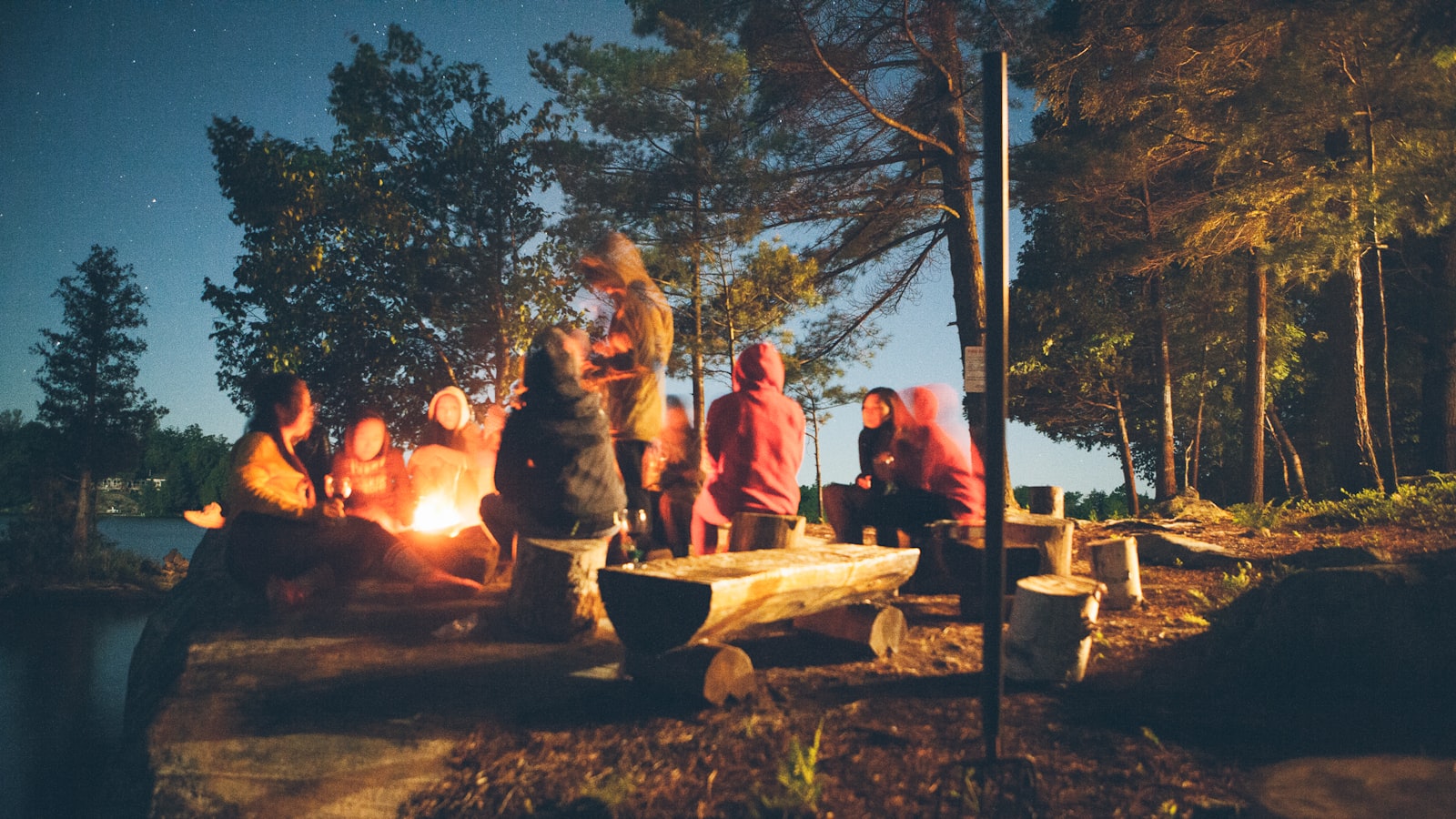
A campfire is one of the great pleasures of being outdoors. It's warmth, light, a place to gather, and something to watch when the day winds down. It's also the single most dangerous thing most campers will handle, and the cause of wildfires that destroy huge areas and, sometimes, lives. None of that should scare you off. It should just make you take fire seriously, because a campfire is entirely safe when it's respected and genuinely risky when it isn't.
Handling fire well is a real skill, and a satisfying one. Once you know how to check whether you should light a fire at all, how to build and manage a small one, and how to put it out so completely that it can't come back, you can enjoy a campfire with a clear conscience. This is a preparation-first guide, because with fire, the preparation is the safety.
Check before you light anything#
The most important fire decision happens before you strike a match: should you light one at all? Fire rules change constantly with location and conditions, so never assume. Check the current rules for your specific site or area, look for posted signs, and pay attention to any fire bans or restrictions, which are common in dry seasons and are there for serious reasons.
Weather is part of that check. A fire that's fine on a calm, damp evening is reckless on a dry, windy one, because wind carries sparks into dry grass and trees frighteningly fast. If it's windy, if everything around you is tinder-dry, or if a ban is in place, don't light a fire — use a stove for cooking and skip the flames. Knowing when not to have a fire is the first and most important part of fire safety.
Use an existing fire ring or designated fire pit wherever one exists, rather than making your own. These are placed and built to contain fires safely. If you're cooking rather than just enjoying the warmth, a stove is often the better tool anyway, as we cover in cooking at the campsite; many campers cook on gas and keep the fire purely for company.
Build a small, contained fire#
If fires are allowed and conditions are safe, build yours with control in mind. Prepare the site first: clear a wide area around the fire ring down to bare soil or stone, removing dry leaves, grass, sticks, and anything else that could catch a stray spark. Look up as well, and never build a fire under low branches or anything overhanging.
Gather your materials before you light, so you're never leaving the fire to fetch more wood:
- Tinder, such as dry twigs, bark, or dedicated fire starter, to catch the first flame
- Kindling, meaning small sticks, to build the fire up gradually
- Firewood, ideally local and dry, added a little at a time as the fire establishes
- A bucket of water and a shovel or dirt nearby, ready before the first match
Keep the fire small. A modest fire gives you plenty of warmth and light, is far easier to control, and is much faster to extinguish. There's no reason to build a bonfire, and every reason not to. Add wood gradually to keep it at a comfortable size, and resist the urge to pile it high.
A campfire should never be left alone, not even for a few minutes. Sparks drift, logs shift, and wind rises without warning. If everyone wants to leave the fire — to sleep, to take a walk, to go to bed — the fire goes out first. There is no acceptable version of an unattended fire.
Manage the fire while it burns#
An attended fire is a controlled fire, so someone should always be watching it. Keep your bucket of water and your dirt or shovel within arm's reach the entire time it's lit, not stored somewhere across camp. If a spark escapes or a flame flares higher than you want, you want to react in seconds, not minutes.
Set some simple ground rules, especially with children or first-time campers around. Everyone stays a safe distance from the flames, nobody throws in anything that flares or explodes, and loose clothing and hair stay well clear. Keep your tent, chairs, gear, and anything flammable upwind and back from the fire, so drifting sparks can't reach them. Burn only wood; don't use a fire as a rubbish incinerator, since plastics and cans release fumes and leave a mess.
Stay aware of the conditions the whole time. If the wind picks up strongly while your fire is burning, it may be time to put it out early rather than fight to control it. Reading the weather and being willing to change your plan is exactly the kind of judgement that keeps camping safe, and it applies to fire more than almost anything else.
Put it out completely#
Extinguishing a fire properly is where too many people get careless, and it's how "out" fires reignite hours later and start wildfires. A fire is not out because the flames are gone. It's out when it's cold to the touch, and getting there takes more than you'd expect.
Start well before you want to sleep, since a proper extinguish takes time. Pour water over the fire, covering all the embers, not just the glowing ones. Stir the ashes and embers with your shovel as you pour, mixing water through everything and drowning the coals. Pour, stir, and repeat until the hissing stops entirely.
Then check with the back of your hand, held near the ashes: if you feel any heat at all, it isn't out. Add more water and keep stirring until everything is cold. If you're short of water, mix in dirt or sand and stir, but water is best. Never bury a fire and walk away, because buried coals can smolder underground for hours and resurface. Only when the whole site is cold to the touch is it safe to leave or go to sleep.
Respect the fire and enjoy it#
Handled with care, a campfire is one of camping's quiet joys and nothing to fear. The whole skill comes down to a few honest habits: check whether you should light one, keep it small and contained, never leave it alone, keep water at hand, and put it out until it's cold. Do those every single time, without shortcuts, and you'll never be the reason for a story that ends badly.
That discipline is part of a larger mindset that runs through everything we cover, from choosing a site to knowing when to head home early — the habit of preparing, staying aware, and respecting the outdoors. If you're building that mindset from scratch, start with our beginner camping trip guide. Get the fire right, and you get to keep the best part of it: sitting in the warm glow, watching the sparks rise, knowing you've done it properly.