The best compliment a wild place can pay you is silence — no sign that you passed through at all. Leave No Trace is the shorthand for a set of outdoor habits built around exactly that idea. It isn't a strict code handed down to spoil your fun. It's a practical way of thinking that keeps trails, campsites, rivers, and meadows healthy enough for the next person, the next season, and the wildlife that lives there full-time.
There are seven principles, and none of them are complicated. Most are common sense once you've heard them, but hearing them changes how you move through the outdoors. Together they add up to a quiet, considerate presence that leaves nothing behind but footprints — and ideally not even too many of those.
Plan ahead, and know before you go#
The first principle is the least glamorous and the most important. A surprising amount of outdoor damage happens because people arrive unprepared and start improvising. They didn't pack enough water, so they take a shortcut. They didn't check the rules, so they camp somewhere fragile. They didn't bring a trash bag, so wrappers end up under a rock.
Good planning heads all of this off. Check the regulations and conditions for where you're going, know the terrain and the weather, and pack what you actually need so you're never forced into a damaging shortcut. Prepare for the day you might get rather than the day you hope for, checking the forecast and conditions so you're never caught out. Repackaging food into reusable containers before you leave cuts down on packaging waste too, which means less to lose and less to carry out.
Travel and camp on durable surfaces#
Every step you take lands somewhere, and some ground can take it while some can't. The idea here is to concentrate your impact on surfaces built to handle it and keep it off the fragile ones.
On the trail, that means walking on the trail — single file, right through the middle, even when it's muddy. Widening a path to skirt a puddle is how a nice narrow trail becomes an ugly braided scar. At camp, choose surfaces that recover well or don't mind the wear:
- Established campsites and existing fire rings, wherever they exist
- Rock, gravel, dry grass, or bare mineral soil
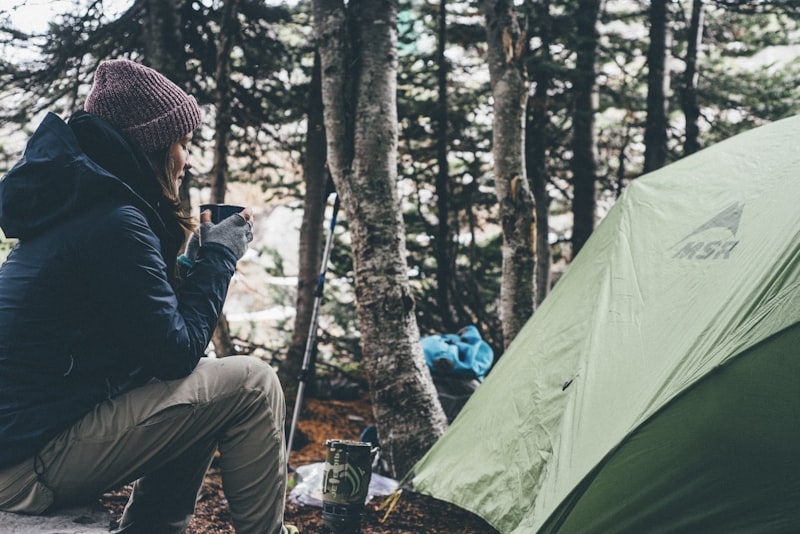
- Sites at least a couple hundred feet from lakes and streams, to protect the shoreline and keep water clean
Steer clear of soft vegetation, wildflower meadows, and the crusty living soil found in some dry regions, all of which take a long time to bounce back from being trampled or camped on.
Dispose of waste properly#
This principle has a blunt and memorable slogan: pack it in, pack it out. Anything you carry into the outdoors comes back out with you, and that includes the things people talk themselves out of. Fruit peels, apple cores, and nut shells are still litter — they can take far longer to break down than you'd guess, and they teach animals to associate people with food.
If you're not sure whether something counts as trash, treat it as trash. A wild place stays wild partly because thousands of visitors each decided their small scrap wasn't worth leaving behind.
Human waste needs care too. Where facilities exist, use them. Where they don't, the standard practice on many trails is to dig a small hole — a cathole — well away from water, trails, and camp, and bury waste there, packing out any toilet paper or hygiene products in a sealed bag. Rules vary by region and some sensitive areas require you to pack out everything, so this is exactly the kind of thing to check while you're planning ahead.
Leave what you find, and minimize campfire impact#
Two principles pair naturally here because both are about restraint. The fourth asks you to leave what you find — the interesting rock, the wildflower, the antler, the old cabin. Take photos, not souvenirs. What looks like a small keepsake to you is part of the place for everyone else, and collected one visitor at a time, those small things vanish.
The fifth principle is about fire. A campfire is one of the great pleasures of camping, but it's also one of the biggest sources of lasting damage and, at worst, wildfire. Use an existing fire ring rather than building a new scar, keep fires small, burn only dead and downed wood, and never leave a fire unattended. When you're done, put it out completely and make sure it's cold to the touch — the full method is worth reading in how to build a safe campfire. In many conditions and seasons, the most considerate choice is to skip the fire entirely and cook on a small stove instead.
Respect wildlife and other people#
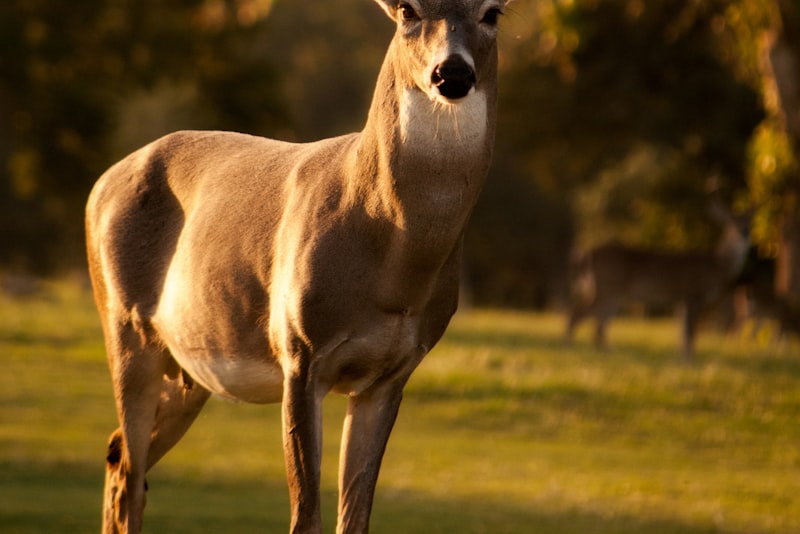
The last two principles are about sharing. Wildlife belongs to the place, and we're the visitors. Watch animals from a distance, never feed them — even accidentally, by leaving food accessible — and store your food and scented items so they can't get at it. A fed animal often becomes a problem animal, and that rarely ends well for the animal. Giving wildlife room is both kinder and safer, and it connects directly to how to stay safe around wildlife.
Being considerate of other people rounds it out. Keep noise down so others can hear the place instead of your speaker. Yield thoughtfully on the trail, keep groups small where that's asked, and take breaks off to the side rather than blocking the path. Most people go outdoors for a bit of quiet and space, and the kindest thing you can offer is to let them have it.
Making it a habit, not a checklist#
Nobody expects you to recite seven principles at every trailhead. What matters is that the mindset sinks in until these choices feel automatic — walking through the puddle instead of around it, pocketing the wrapper without thinking, giving the deer a wide berth because of course you would. That's when Leave No Trace stops being something you do and becomes simply how you move through wild places.
Start with the easy wins and build from there. Carry a small bag for trash every single time. Stick to the trail. Pick established sites. Keep your fires small and cold when you leave. Give animals and people their space. Do these consistently and you'll leave a place looking untouched, which is the whole point — so the next person can round the bend and feel, just for a moment, like they're the first ones ever to see it.