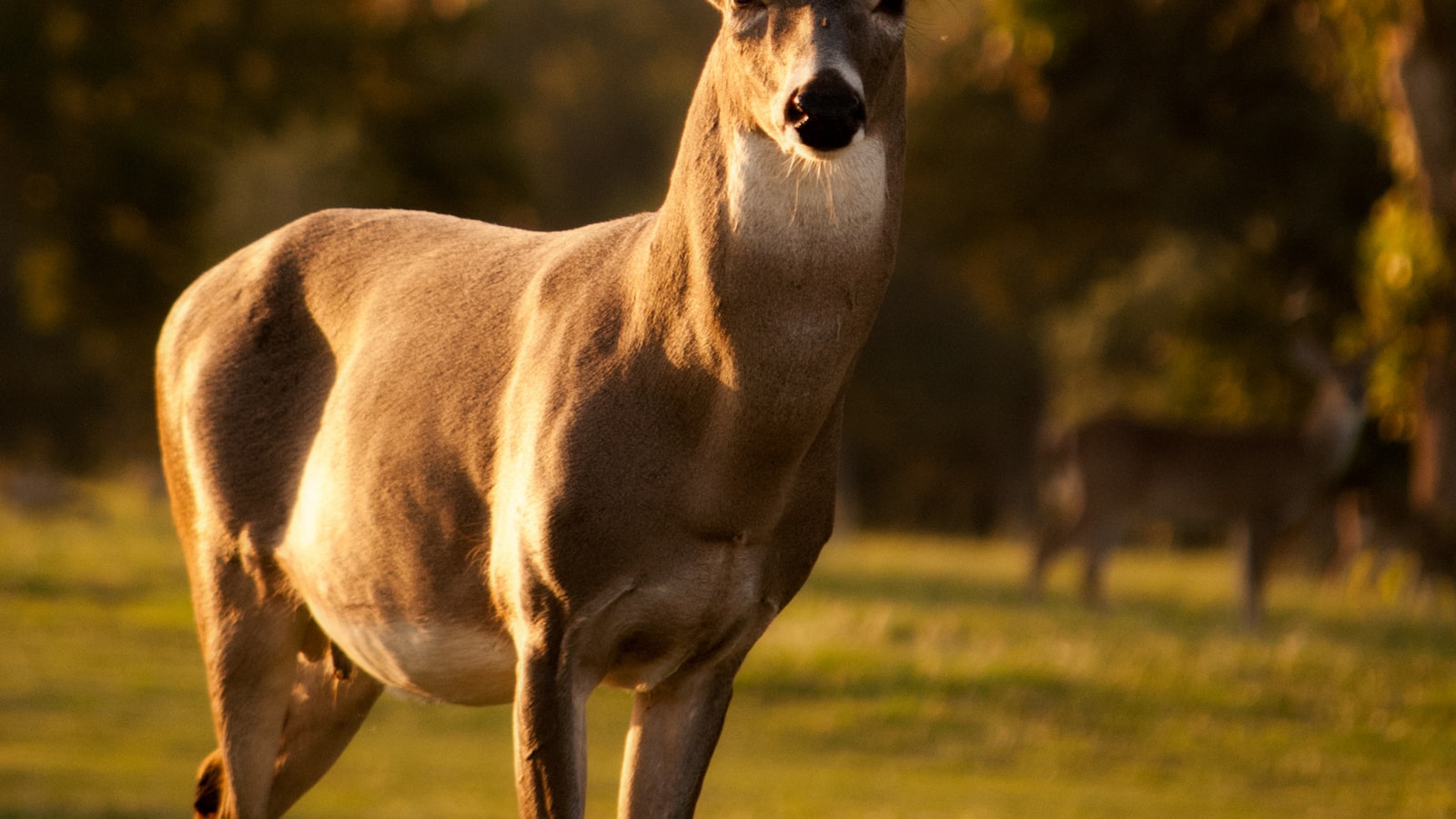
Seeing a wild animal is often the highlight of a day outdoors — a deer stepping through the trees, a hawk overhead, tracks in the mud that weren't there yesterday. Wildlife is a big part of why the outdoors feels alive rather than just scenic. The aim isn't to fear animals; it's to share their home respectfully, in a way that keeps both of you safe.
Here's the reassuring truth underneath all of it: nearly every wild animal wants nothing to do with you. They'd far rather avoid a human than tangle with one, and the vast majority of encounters end with the animal simply leaving. Most trouble happens when we get too close, surprise them, or teach them that people mean food. Understand those three things and you've handled most of the risk.
Give animals the space they need#
The single most effective wildlife-safety habit is distance. An animal that has room feels no need to defend itself, warn you off, or fight. Crowd it, and you take away its easy option to leave, which is when a calm creature can turn defensive.
Watch and photograph from well back, and use zoom rather than your feet to get a closer look. If your presence changes what an animal is doing — it stops feeding, lifts its head to stare, moves away, or shows any sign of agitation — you're too close, and the right response is to back off, not push for a better photo. Never position yourself between an animal and its young, or between an animal and its escape route, both of which can provoke a reaction from an otherwise peaceful creature.
A good rule of thumb from many parks: if you hold up your thumb at arm's length and the animal disappears behind it, you're at a reasonable distance. If the animal is bigger than your thumb, you're too close.
This restraint is also simple courtesy to the animal and the place, and it sits at the heart of leave no trace: the seven principles. Giving wildlife room isn't only safer for you — it lets animals carry on their day undisturbed, which is the whole point of them being wild.
Never feed wildlife, on purpose or by accident#
Feeding animals feels generous and is one of the most harmful things a visitor can do. An animal that learns to associate people with food loses its natural wariness, starts approaching visitors, and often becomes aggressive about getting more. That animal frequently ends up as a "problem" that has to be relocated or destroyed. The phrase rangers use is blunt and true: a fed animal is a dead animal.
Accidental feeding counts just as much as tossing a chipmunk a cracker. Dropped crumbs, an unwashed pot, food left on a picnic table, or scraps buried at camp all teach the same lesson. Keeping a clean site protects the animals and keeps them from associating you with a meal, which is safer for everyone who camps there after you.
Store food and scent so nothing comes looking#
Because so many encounters are really about food, how you store it is a core outdoor skill. The goal is to keep all food and anything with a scent out of reach and, ideally, out of smell, especially overnight.
The right method depends on where you are, so check local requirements — some places mandate specific approaches. In general:
- Use a bear canister, a bear locker, or a properly hung bag where these are recommended or required.
- Store all food, trash, cooking gear, and toiletries together, away from your tent — scented things like toothpaste and sunscreen count.
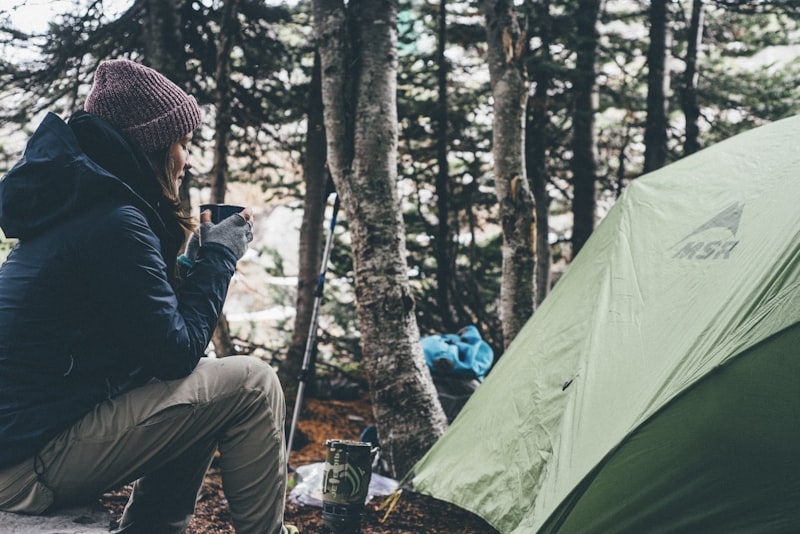
- Cook and eat away from where you sleep, so food smells don't linger around your tent.
- Keep a clean camp, packing out every scrap, in line with how you'd handle waste on any trip.
Even on a day hike, keep snacks sealed and packed away rather than loose, and don't leave a bag unattended on the trail while you wander off — small animals are quick and bold, and a raided pack is both a loss and a bad lesson taught.
Know the animals where you're going#
Wildlife safety isn't one-size-fits-all. The right behavior around a bear differs from the right behavior around a moose, a snake, or a herd animal, and the species you might meet depend entirely on where you are. A little homework before the trip is worth a lot.
Before you go, learn the basics for your specific destination: which animals are around, how to reduce the chance of a surprise encounter, and what to do if one happens. Making a bit of noise as you move through dense brush or blind corners helps avoid startling an animal, which is a common trigger for trouble. Reactions that are correct for one animal can be exactly wrong for another, so learn the local guidance rather than a single generic rule. Checking the area's official information while you plan — the same planning mindset behind what to do if you get lost outdoors — means you head out knowing what to expect and how to respond.
Two general habits help almost everywhere. Keep dogs leashed and close, since a loose dog can provoke wildlife and then lead it straight back to you. And stay alert at dawn and dusk, when many animals are most active and light is poor.
If you do meet a large animal at close range, the broadly sensible instincts are to stay calm, avoid sudden movements, and not run, since running can trigger a chase response in some species. Give the animal a clear, unobstructed way to leave and back away slowly rather than turning your back on it. But treat that as a starting point only — the correct specifics genuinely vary by animal, and the guidance for the exact species where you're hiking is what you should learn and trust, not a single rule stretched to fit every creature.
Sharing the outdoors calmly#
Put the pieces together and wildlife stops being a worry and becomes one of the best parts of being outside. Keep your distance, never feed anything, store your food and scented items properly, and learn the specifics for where you're headed. Do those consistently and you remove the causes behind almost every negative encounter, leaving you free to simply enjoy the animals from a respectful remove.
One firm limit, though. This is about avoiding trouble and coexisting calmly — it is not first-aid advice. If you're ever bitten, scratched, or stung, or an encounter goes wrong in any way, treat it as a genuine medical matter for trained professionals, and take a proper wilderness first-aid course before relying on your own judgment out there. Give animals their space, keep your food locked away from them, do your homework, and you get the best of the wild: the thrill of seeing it, without becoming part of the story in a way anyone regrets.