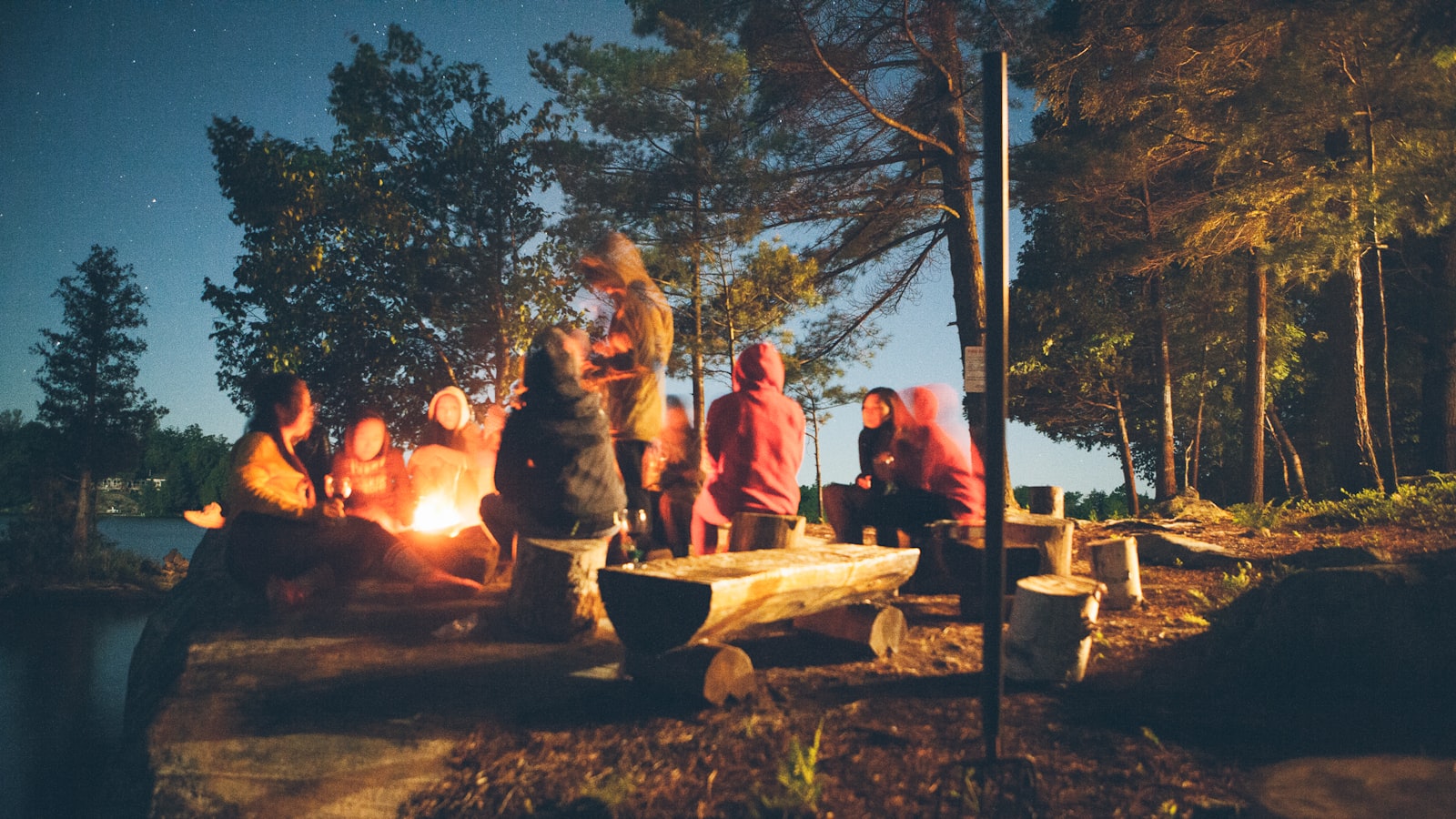
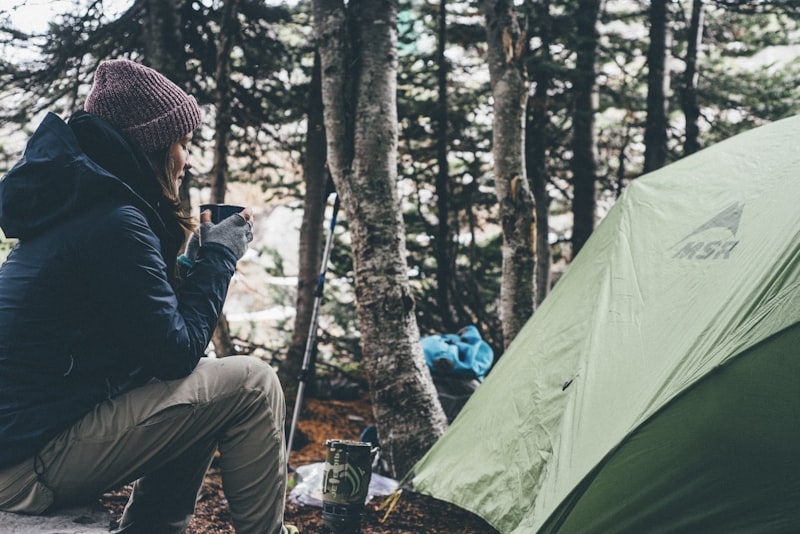
A campfire is one of the oldest reasons to be outside after dark — warmth, a place to cook, and something to gather around while the day winds down. It's also one of the fastest ways to do real, lasting harm to a place, or to start a wildfire that outruns you in minutes. Built and managed with care, a fire is a pleasure. Built carelessly, it's a genuine hazard.
The skills involved aren't hard, but they demand respect and attention. Knowing how to lay a good fire matters far less than knowing when not to light one at all, and how to put one out so thoroughly that you'd trust it with your own campsite. Let's walk through both.
Check the rules and conditions first#
Before you gather a single stick, find out whether you're even allowed to have a fire, and whether it's wise. Fire regulations change constantly with the season and the weather, and they exist for good reason. Many areas issue fire bans or restrictions during dry, hot, or windy spells, and ignoring one isn't a small thing — it can put whole landscapes and communities at risk.
Check the local land manager's current rules, look for posted signs at the trailhead or campground, and use your own judgment on top of that. Even where fires are technically allowed, some days simply aren't fire days. If it's bone-dry, if the wind is up, or if the ground is covered in tinder-dry needles and grass, the responsible choice is to skip it. A small backpacking stove will cook your dinner without any of the risk, and it works in conditions where no open fire should ever burn.
The most experienced people around a campsite are often the ones who decide not to light a fire. Reading the day and saying "not tonight" is a skill, not a failure.
Thinking about conditions here overlaps with reading the sky in general; the same awareness behind how to read the weather outdoors helps you judge whether a wind shift might turn a tidy fire into a problem.
Choose and prepare the site#
Where you build matters as much as how. The best fire site is one that already exists — an established fire ring or a metal fire pit at a designated campsite. Using it concentrates the impact in one already-affected spot instead of scarring fresh ground, which is a core part of leave no trace: the seven principles.
If you must build where there's no ring and fires are permitted, choose bare mineral soil, gravel, or sand well away from anything that could catch. Clear a wide circle down to bare earth, and look up as well as down — an overhanging branch or dry canopy above the fire is a serious hazard people forget to check. Keep well clear of your tent, which can melt or ignite from a stray spark, and from dry brush and grass.
Prepare before you light. Have water and a way to smother the fire within arm's reach from the very start, not fetched later once flames are already up. A bucket of water, or a big container you can refill, plus a small shovel or trowel to stir and douse, is the minimum. You want the means to put the fire out before you ever put it in.
Gather the right wood#
Good fire-building runs on three sizes of dry, dead wood, and you collect all three before striking a match — chasing more fuel while a fire is going is how things get away from you.
- Tinder: fine, dry material that catches from a flame instantly — dead grass, small dry twigs, wood shavings, or purpose-made fire starter.
- Kindling: pencil- to finger-thick dry sticks that catch from the tinder and build the fire up.
- Fuel wood: wrist-thick and larger dead branches that sustain the fire once it's established.
Collect only dead and downed wood — never cut or break branches from living trees, which won't burn well anyway and damages the place. Where you're camping, buy or gather local firewood rather than hauling it from home, because moving wood long distances can spread tree pests and diseases. And gather modestly. A small fire is easier to control, uses less wood, throws fewer sparks, and is far quicker to put out completely.
Light it, and never walk away#
Build small and build tidy. A common beginner method is to place a loose bundle of tinder in the center, lean kindling around it like a small teepee or lay it in a crisscross, and light the tinder from the upwind side so the flame draws into the fuel. Add kindling gradually as it catches, then the smallest fuel wood, resisting the urge to pile everything on at once and smother it.
Keep the fire small enough to manage the whole time. There's no benefit to a roaring bonfire; a modest fire gives plenty of warmth and light and stays firmly under your control. Watch for sparks, especially if any breeze picks up, and keep that water and shovel right beside you.
The rule that has no exceptions: never leave a fire unattended. Not to grab something from the tent, not to walk to the water, not for two minutes. A fire left alone is a fire you're no longer in charge of, and it only takes one gust and one dry patch of grass. If everyone's leaving the fire, even briefly, it goes out first.
Put it out cold, every time#
Extinguishing a fire properly takes longer than people expect, and cutting it short is how "out" fires reignite hours later. Start winding down well before you plan to sleep or leave, letting the wood burn down toward ash rather than leaving big unburned logs.
Then drown it — genuinely drown it. Here's the sequence worth doing every single time:
- Pour water over the entire fire, not just the glowing center, until the hissing stops.
- Stir the ashes and embers with your shovel, turning everything over to expose buried heat.
- Pour more water and stir again, soaking the coals, the edges, and any wood ends.
- Check with the back of your hand held near the ashes — if you feel any warmth, it's not out. Add water and stir until it's cold to the touch.
If you're somehow short on water, you can mix in dirt and stir thoroughly, but water is far more reliable, which is why you brought plenty. Don't bury a hot fire and walk away — heat can smolder underground and resurface. The standard is simple and absolute: a fire is only safe to leave when it's cold enough to touch. Do that faithfully, keep your fires small and legal, and you get all the warmth and none of the regret — a good night around the flames and a place left exactly as safe as you found it.