The single most useful clothing skill outdoors isn't buying an expensive jacket. It's learning to layer — combining a few thinner garments so you can add and remove warmth as the day, the weather, and your own effort change. One thick coat gives you exactly two settings: too hot and too cold. A good layering system gives you a dozen.
This matters for comfort, but it matters more for safety. Getting cold and wet is what turns pleasant days into miserable or genuinely risky ones, and both are largely avoidable with clothing you probably half-own already. Once you understand what each layer is for, packing for weather stops being guesswork.
Why layering beats one big coat#
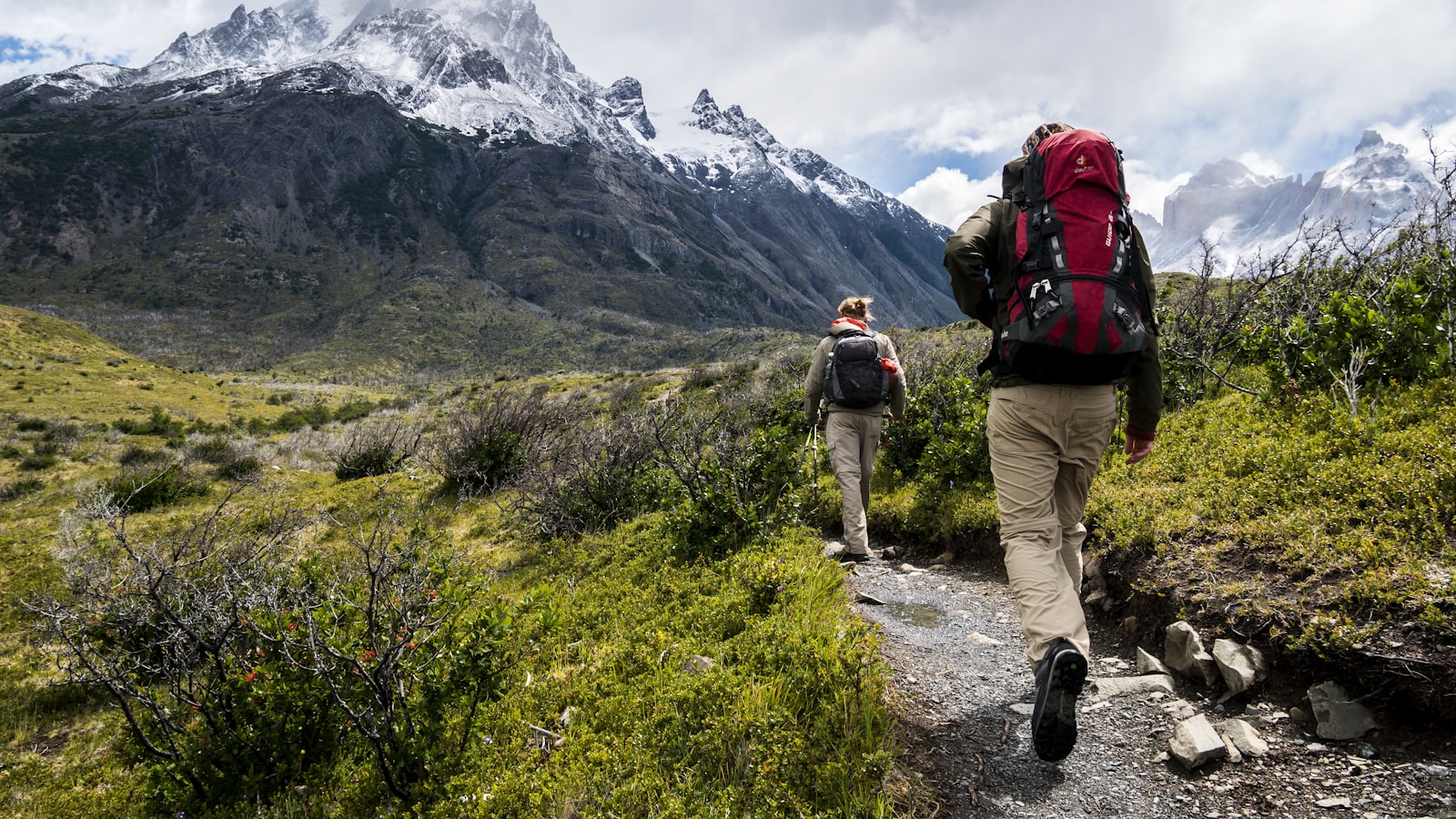
Your body is a furnace that changes output constantly. Walk uphill and you generate a surprising amount of heat and sweat; stop for lunch on a breezy ridge and you cool off fast. A single heavy garment can't keep up with those swings. You'll sweat into it on the climb, then shiver in your own damp clothing the moment you stop.
Several thinner layers solve this by giving you control. You strip off before you overheat, add back on before you chill, and trap warm air in the gaps between garments — that trapped air is doing much of the insulating work. The system also handles moisture in stages, moving sweat away from your skin so you don't end up wearing your own dampness like a cold compress.
There's a reason experienced hikers fuss over this. Managing temperature well is quiet, ongoing work, and it's one of the categories in the ten essentials you should always pack precisely because extra insulation can keep a bad situation from becoming dangerous.
The three-layer system, explained#
Think in three jobs, each handled by its own layer.
- Base layer — sits against your skin and moves sweat away from it. This is a snug, thin top (and bottoms in cold weather) made of wool or a synthetic like polyester. Its whole purpose is to keep your skin dry.
- Mid layer — traps body heat. This is your fleece, wool sweater, or lightweight puffy. The thicker or loftier it is, the more warm air it holds.
- Outer layer — also called the shell, it blocks wind and rain. A good shell keeps weather out while letting some sweat vapor escape so you don't steam up from the inside.
You won't always wear all three. On a warm day you might hike in just the base layer with the others in your pack. On a cold, wet, windy day you'll want the full system and maybe a second mid layer. The beauty is that you mix and match from the same small collection.
Choose fabrics that keep working when wet#
The most important rule in this whole subject fits in one line: avoid cotton against your skin. Cotton soaks up sweat and rain, holds it there, and pulls heat out of your body as that water evaporates. On a cold day, a wet cotton shirt is genuinely hazardous. The old saying that "cotton kills" is dramatic, but it points at a real problem.
Reach for these instead:
- Merino wool — warm even when damp, naturally odor-resistant, comfortable against skin, though it dries slowly and costs more
- Synthetics (polyester, nylon) — dry fast, cheap, durable, and excellent at moving moisture, but they hold smell
- Down — extremely warm for its weight and highly packable, best kept dry since it loses loft when soaked
- Synthetic insulation — a little heavier and bulkier than down, but it keeps insulating even when wet, which makes it the safer choice in damp climates
For a beginner on a budget, a synthetic base layer, a fleece mid layer, and a rain shell will cover the vast majority of trips. You can upgrade to wool and down later once you know what you actually reach for.
Get dressed for five minutes into the walk, not for the parking lot. If you feel perfectly warm before you start moving, you'll be overheating within a mile. A little chill at the trailhead is exactly right.
Adjusting on the move#
Owning the layers is only half of it. The skill is using them, and the golden rule is to adjust early. Don't wait until you're pouring sweat to shed a layer, and don't wait until you're shivering to add one — by then you're already fighting to recover. Peel off the mid layer at the base of a climb; pull the shell on the moment the wind picks up.
Pay attention to the transitions, because that's where people get caught out. The classic mistake is powering up a hill in a warm jacket, arriving sweat-soaked at the top, then stopping to rest and rapidly getting cold in wet clothes. Stopping for a break is the exact moment to add insulation, not remove it, even though you feel warm from the effort. Learn to read your body a few minutes ahead of where it is.
Small adjustments beat big ones. Rather than stripping to your base layer the instant you warm up, unzip the front of your shell, push up your sleeves, or open the pit zips if your jacket has them — these let you dump heat quickly without stopping to repack a layer. On a blustery ridge, zipping back up and pulling a hood over your hat can add real warmth in seconds. The more of these micro-adjustments you fold into your walking, the less often you'll need to fully stop and change, and the steadier your temperature stays across the day.
Don't overlook your extremities either. A hat, gloves, and warm socks punch far above their weight, since a lot of heat escapes through your head and hands. And what's on your feet is part of the system too — damp, cold feet ruin a day faster than almost anything, which is one reason choosing the right footwear matters as much as the right jacket. Our guide to choosing hiking boots and shoes covers keeping feet warm, dry, and blister-free.
Making it second nature#
Start simple. For your next few trips, wear a synthetic or wool base layer, pack a fleece and a rain shell, and practice adding and removing them before you're uncomfortable rather than after. Notice when you get too hot and when you get cold, and adjust a little sooner next time. Within a handful of outings, the whole thing becomes automatic — you'll shed and add layers without thinking, the way you'd reach for sunglasses when the clouds part.
That instinct is the real goal. Layering isn't about a gear checklist or a perfect jacket. It's a habit of small adjustments that keeps you dry, warm, and comfortable across whatever the day throws at you, so the weather becomes something you manage rather than something that decides how your trip goes.