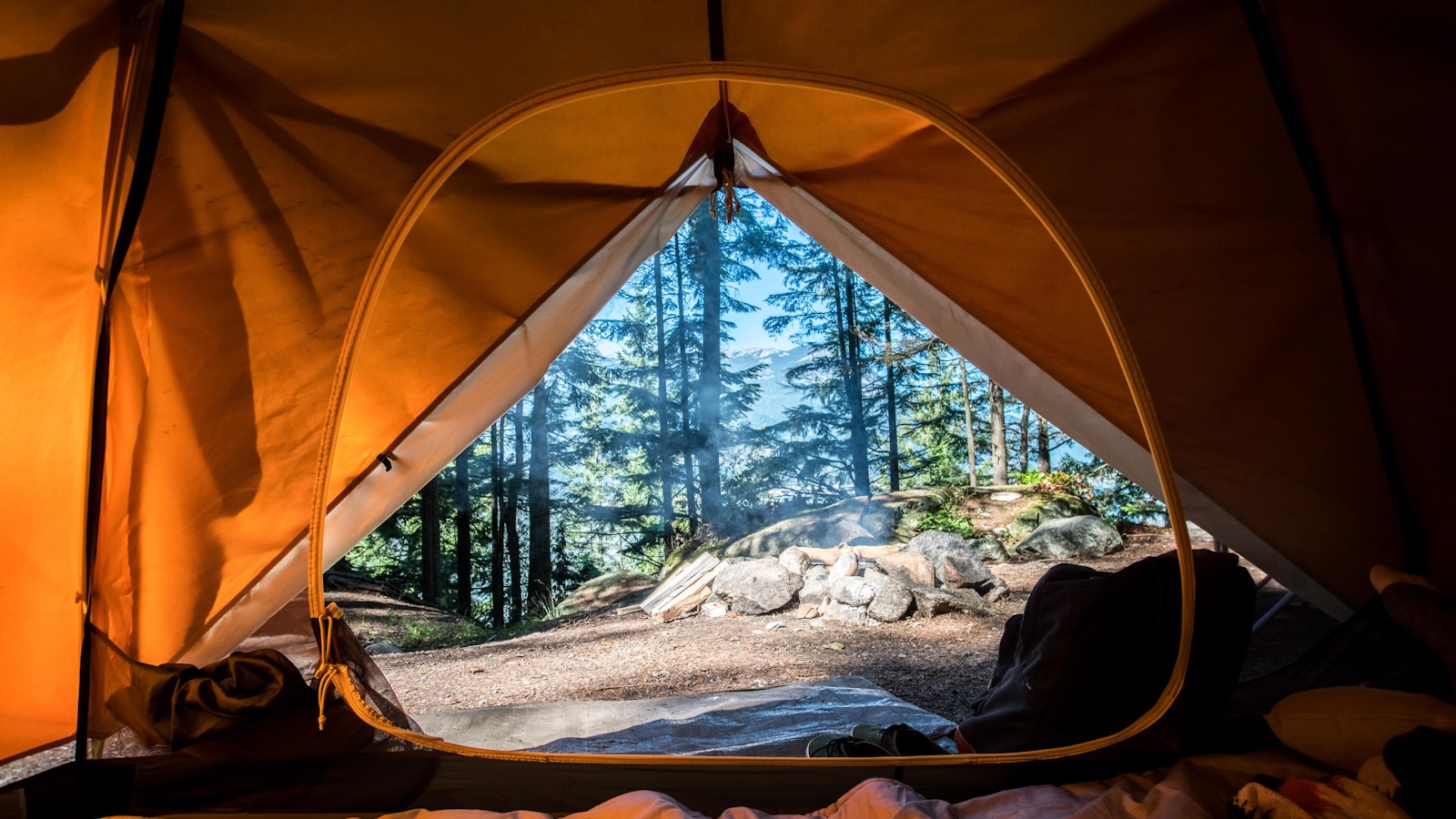
The fastest way to talk yourself out of camping is to look at a full gear catalog and add up the total. It's easy to believe you need a garage of specialized equipment before you can spend a single night outdoors. You don't. People have camped happily for generations with a fraction of what's for sale now.
What follows is an honest checklist built for real first trips, not for outfitting a store. I've split it into what you genuinely need, what makes life better, and what you can safely leave behind until you know you want it. Borrow the expensive things at first — there's no sense buying a tent before you know whether you even like sleeping in one.
Shelter and sleep: get this part right#
If you get one category right, make it this one. A cold, sleepless night is what convinces beginners that camping "isn't for them," when the real culprit was thin gear and a bad setup. Sleep well and everything else about camping improves.
Your core shelter-and-sleep kit:
- Tent — sized one person larger than your group for comfort; a two-person tent is snug for two, roomy for one
- Sleeping bag — rated for colder than you expect the night to get
- Sleeping pad — the piece beginners skip and most regret, since it insulates you from the cold ground as much as it cushions you
- Pillow — a small camp pillow, or a stuff sack packed with clothes
- Groundsheet or footprint — protects the tent floor and adds a little dampness barrier
That sleeping pad deserves emphasis. Newcomers assume it's about comfort, but its main job is insulation — the ground pulls heat out of your body all night, and a good pad blocks that. Skimp here and you'll shiver in an otherwise warm bag. Choosing the sleep system well is worth real attention, and our guide to choosing a sleeping bag and pad walks through temperature ratings and pad types so you don't guess.
For your first couple of trips, borrow or rent the tent and bag rather than buying. You'll learn what you actually like — how much space you want, how warm you sleep — and spend your money far more wisely once you do.
Cooking and eating#
Camp food doesn't need to be elaborate, and your kitchen doesn't either. At a drive-up campground you can bring a cooler and cook real meals; if you're carrying gear any distance, you'll want to keep it light and simple.
A workable camp kitchen:
- Stove and fuel — a small canister stove is cheap, reliable, and easy for beginners
- Pot or pan — one is plenty to start; a single pot cooks more than you'd think
- Eating kit — a bowl or plate, a spork, and an insulated mug
- Knife — a basic folding or paring knife handles most tasks
- Water containers — enough to carry and store water for cooking, drinking, and cleanup
- Food storage — sealable bags or containers, and a plan to keep food away from animals
- Cleanup — a small sponge, a little biodegradable soap, and a bag for trash
Don't overbuy cookware. A single pot, a stove, and one utensil cover an astonishing range of meals, and the elaborate camp-kitchen sets mostly gather dust. Start minimal and add pieces only when you hit an actual limit.
Clothing, safety, and the small stuff#
This is where the checklist stops being about comfort and starts being about staying warm, dry, and safe. Pack clothing for colder and wetter weather than the forecast promises, because forecasts are optimistic and nights outdoors run cold. Bring layers you can add and remove rather than one heavy coat, and always include rain protection and a warm hat.
The non-negotiable safety items travel with you on every trip, no matter how tame:
- First-aid kit — a small one you know how to use
- Headlamp or flashlight — plus spare batteries; a headlamp keeps your hands free
- Navigation — a map of the area, and a compass or charged phone
- Fire starter — a lighter or waterproof matches
- Sun protection — sunscreen, hat, and sunglasses
- Extra food and water — more than you plan to use
- Emergency shelter — even a lightweight space blanket for the unexpected
If that list looks familiar, it's because it mirrors the ten essentials you should always pack — the same preparedness applies whether you're camping or day hiking. An established campground is forgiving, but weather and small injuries don't check whether you're at a busy site or a remote one.
Round it out with the small comforts that punch above their weight: a camp chair, a compact towel, insect repellent, a power bank for your phone, and a few trash bags. None is essential, but each quietly improves the trip.
A few site-setup items are easy to forget until you're standing in the dark without them. A mallet makes driving tent stakes into hard ground far easier, spare guy lines and a couple of extra stakes save a sagging tent when the wind picks up, and a compact tarp gives you a dry spot to cook under or wait out a passing shower. None of it is glamorous, but each has rescued more than one evening for me. Toss them into a single small bag so the whole setup kit travels together and nothing goes missing between trips.
What you can skip at first#
Beginners waste the most money on gear they were told they needed. You can happily do without a giant multi-room tent, a double-burner stove, specialized cookware sets, expensive ultralight everything, and gadget-y extras until you've camped enough to know your own preferences. Buy the safety basics and a decent sleep system; borrow or rent the rest; and let a few real trips teach you what's worth owning.
Packing up and heading out#
A camping checklist isn't about owning the most gear — it's about bringing the right gear and leaving the rest at home. Nail the sleep system so you rest well, keep the kitchen simple, never cut corners on safety, and borrow the big items until you're sure you're hooked. That's a complete, honest kit for a first trip, and it fits in far less space and budget than the catalogs imply.
Get out there with the basics, pay attention to what you reach for and what you never touch, and let each trip refine your list. Before long you'll have a kit that's entirely yours — lean, reliable, and built from experience rather than a store display.