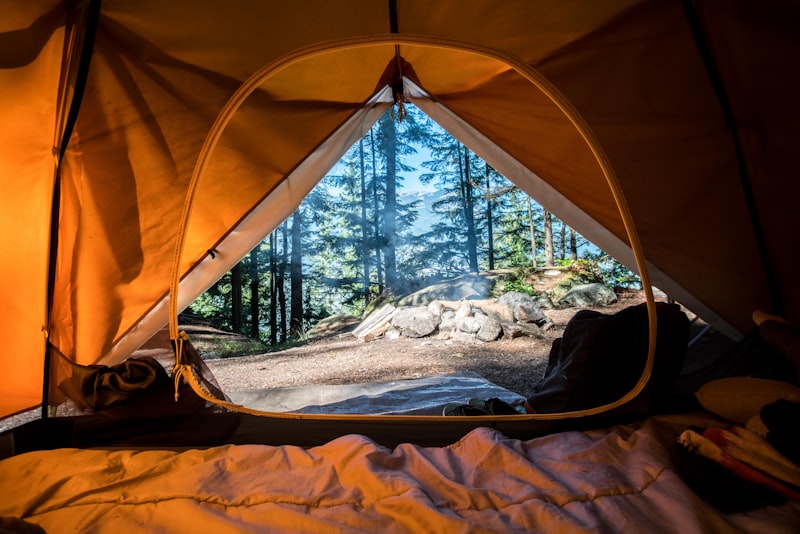
I've spent more cold, sleepless nights outdoors than I'd like to admit, and nearly every one traced back to the same two pieces of gear: the bag and the pad. Get them right and you sleep like you're at home, wake up warm, and greet the day glad to be out there. Get them wrong and no amount of good weather or beautiful scenery makes up for shivering until dawn.
Sleep is the quiet foundation of every camping trip. It's what recovers your legs, steadies your mood, and keeps your judgment sharp the next day. That makes your sleep system less of a comfort purchase and more of a safety one — which is exactly why it's worth understanding rather than grabbing whatever's on sale.
The pad matters as much as the bag#
The single biggest mistake beginners make is treating the sleeping pad as optional cushioning. It isn't. Its main job is insulation. The ground beneath you is a heat sink, pulling warmth out of your body all night through simple contact, and your sleeping bag can't stop it — the insulation under you gets crushed flat by your weight, so it loses most of its power. The pad is what stands between your warm body and the cold earth.
This is why people freeze in a warm bag on a cool night: they skipped the pad or brought a flimsy one. A pad's insulating power is measured by its R-value, a number that rises as insulation improves. Rough guidance:
- R-value 1–2 — warm-weather use only
- R-value 3–4 — three-season camping in most conditions
- R-value 5+ — cold nights and near-freezing ground
Pads come in a few styles. Air pads pack tiny and feel plush but can fail if punctured, so carry a patch kit. Self-inflating pads are more durable and warmer but heavier. Simple closed-cell foam pads are cheap, indestructible, and bulky, and they double as insurance since they can't spring a leak. For a first pad, a three-season air or self-inflating model around R-value 3 to 4 handles most trips.
Bring the pad. If you remember one thing from all of this, make it that. A good bag over bare ground will still leave you cold, because the ground wins every time.
Reading sleeping bag temperature ratings#
Sleeping bags come with a temperature rating, and learning to read it saves you from a miserable night. Most bags list a comfort rating and a lower limit. The comfort rating is the temperature at which an average person sleeps warm; the lower limit is closer to survival than to a good night's rest. Buy based on comfort, not the scary-low number on the tag.
The practical rule is to choose a bag rated a bit colder than the lowest temperature you realistically expect. If nights might dip to around freezing, don't buy a bag rated exactly to freezing — give yourself margin, because ratings assume you're also using a proper pad, wearing base layers, and not an especially cold sleeper. You can always vent a bag that's too warm; you can't add warmth to one that isn't enough.
Sleep temperature is deeply personal. Some people sleep hot, some cold, and factors like being tired, hungry, or dehydrated all make you feel colder. If you know you run cold, size your rating down further. And remember the bag is only half the system — pairing the right bag with the right pad is what actually keeps you warm, which is why our beginner's camping gear checklist treats them as a set rather than separate buys.
Down or synthetic?#
The other big bag decision is the insulation inside it, and both options are genuinely good — they just trade differently.
Down — the fluffy insulation from ducks and geese — is the warmest option for its weight and packs down remarkably small. It's a joy to carry and lasts many years with care. Its one serious weakness is water: wet down clumps and stops insulating, and it dries slowly, which makes it a risky choice in persistently damp conditions unless you're diligent about keeping it dry.
Synthetic insulation is heavier and bulkier for the same warmth, but it keeps insulating even when damp and dries faster, and it costs less. That makes it the safer, friendlier choice for beginners, for wet climates, and for anyone on a budget.
A rough way to choose:
- Pick down if you want the lightest, most packable bag, camp mostly in dry conditions, and can keep it dry
- Pick synthetic if you camp in damp weather, want to spend less, or are just starting out and value forgiveness over grams
Whichever you choose, keep your bag dry and let it decompress when not in use — a bag stored crushed in its stuff sack for months loses loft, and loft is warmth. Store it loosely in a large mesh or cotton sack at home, and only compress it into the small stuff sack when you're actually packing to leave. A cheap fleece or silk liner is a worthwhile add-on too: it adds a little warmth on cold nights, keeps body oils off the bag so it needs washing less often, and is easy to launder on its own.
Fit, shape, and packing it#
Bags come in shapes that trade warmth against roominess. A mummy bag tapers toward the feet, hugging your body so there's less air to heat, which makes it the warmest and lightest shape — though it can feel confining if you toss and turn. A rectangular bag is roomy and comfortable but harder to keep warm and bulkier to carry. Semi-rectangular splits the difference and suits most people well. Get the right length, too: a bag much longer than you leaves cold empty space at your feet.
Both bag and pad take up real room in your pack, and that space is worth planning for before you buy — a bulky rectangular bag and a foam pad will demand a bigger pack than a compressible down bag and an air pad. If you're still sorting out your carrying setup, our guide to choosing your first backpack covers matching capacity to your sleep system so it all fits.
Sleeping warm, night after night#
A good night outdoors comes down to a simple pairing: a pad that blocks the cold ground, and a bag rated with a little margin for the temperatures you'll meet. Get those two right and you'll sleep soundly in places you'd never have believed comfortable, and wake up ready for whatever the day holds.
Buy the pad you're tempted to skip, choose a bag a touch warmer than you think you need, keep the insulation dry, and store it lofted between trips. Do that and cold nights stop being the price of camping — they become the exception you're prepared for, on the rare night the weather tries to catch you out.