Hiking sounds like it should be the simplest outdoor activity there is. You walk, but on dirt instead of pavement, with better views. And it can be exactly that simple — right up until you pick a trail that's too long, wear the wrong shoes, or head out with an empty water bottle and a phone at nine percent. The gap between a great first hike and a miserable one is mostly preparation, and almost none of it is expensive or complicated.
The good news is that you don't need to be fit, experienced, or kitted out to start. You need a sensible trail, a few basics in a bag, and a willingness to turn back early if things go sideways. This guide walks you through your first few hikes so they leave you wanting more instead of nursing blisters and swearing off the whole idea.
Pick a trail that sets you up to win#
Your first trail should feel almost too easy. That's the point. You're not trying to prove anything on day one — you're teaching your body and your brain that hiking is enjoyable, and a short, gentle loop does that far better than an ambitious climb that leaves you wrecked.
Look for something well-marked, popular, and close to home, ideally a few kilometres at most with little elevation gain. A busy trail is a friendlier place to learn, because there are other people around if you have a question or need help. Local park websites, trail apps, and visitor centres usually rate difficulty, and it's worth trusting the "easy" label the first time even if your ego argues.
Distance is only half the story. A flat five-kilometre path and a five-kilometre climb are completely different days out. If you're not sure how much you can handle yet, our guide on how to choose a trail for your fitness level breaks down how to read a trail's numbers honestly before you commit to it.
Wear the right things, not the expensive things#
You do not need to buy an outfit to go for a walk in the woods. For an easy trail in decent weather, comfortable athletic shoes with grippy soles and clothes you can move in will do the job fine. The one rule worth remembering: avoid cotton for anything you'll sweat in. Cotton holds moisture, stays cold and clammy, and chafes — synthetic or wool socks and shirts are far kinder.
Dress in layers rather than one heavy piece, so you can add or shed clothing as you warm up and cool down. Bring a light jacket even on a warm day, because weather changes faster than you expect once you gain a little height or the sun drops. As you hike more, footwear becomes the upgrade worth making first, and when you get there our guide on how to choose hiking boots that fit will save you a lot of blister-related regret.
Pack the basics every single time#
Even a short hike deserves a small bag with a few essentials. Not because something will go wrong, but because if it does, these turn a scary situation into a minor inconvenience. Keep a packed bag ready and you'll stop talking yourself out of bringing it.
Here's a beginner-friendly starter list:
- Water — more than you think you'll drink, especially in heat
- Snacks with some salt and calories, like nuts, a sandwich, or trail mix
- An extra layer and a light rain shell
- A charged phone, ideally with the trail map saved offline
- A small first-aid kit with blister plasters
- Sunscreen, a hat, and sunglasses
- A basic sense of the route, on paper or downloaded
That's it. You can carry all of it in a school backpack. The habit of packing it matters more than owning perfect gear.
Tell someone, then start slow#
Before you leave, tell a person you trust where you're going and when you plan to be back. Send them the trail name and your rough timing. It costs you one text message, and if you ever twist an ankle out of phone range, it's the single most useful thing you did all day. This isn't paranoia — it's the same reason you buckle a seatbelt on a short drive.
The most important skill a new hiker can build isn't strength or navigation. It's the willingness to turn around. The trail will still be there next weekend; the goal today is to come home happy and in one piece.
Once you're moving, go slower than feels natural. New hikers almost always start too fast, burn out, and spend the back half of the walk suffering. Settle into a pace you could hold while chatting, take small breaks before you feel exhausted, and drink water regularly rather than waiting until you're parched. Getting that rhythm right early is what keeps you comfortable for hours instead of fading badly on the way back.
Read the day and know your limits#
Check the forecast the morning you go, and take it seriously. Wind, heat, storms, and early darkness all change what a trail asks of you, and a walk that's pleasant at nine in the morning can be genuinely unpleasant by mid-afternoon. If the weather looks bad, there's no shame in swapping your plan for a coffee and trying again another day.
Pay attention to your body while you walk. Sore feet, a hot spot forming into a blister, light-headedness, or that heavy-legged feeling are all messages, not weaknesses. Address the small stuff early — stop and fix a hot spot before it becomes a raw wound, eat before you're ravenous, rest before you're spent. And keep your first-aid ambitions modest: a plaster and a rest are within your wheelhouse, but anything that looks like a real injury means getting off the trail and calling for proper medical help rather than trying to tough it out.
Your first few hikes, in practice#
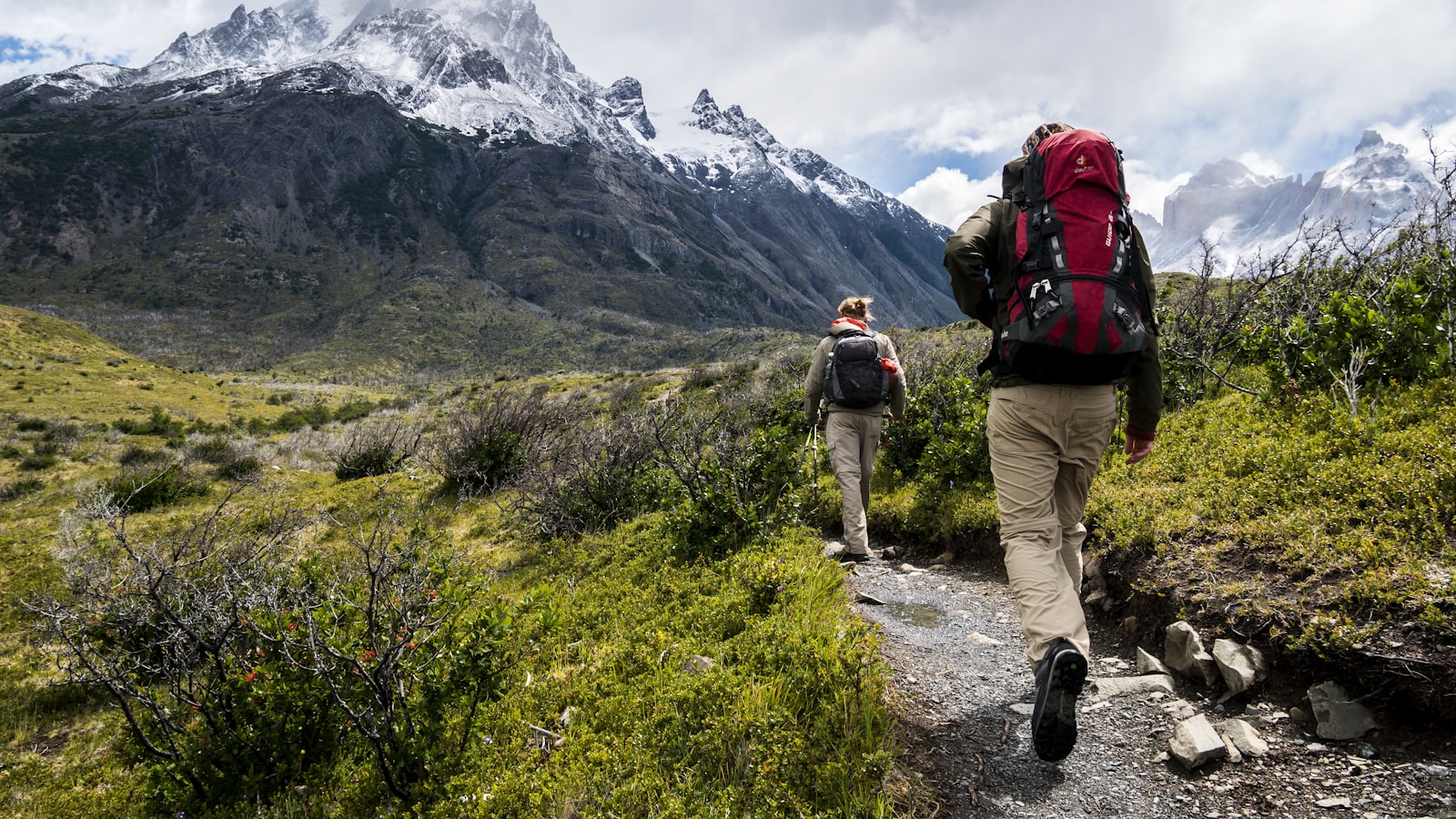
Put it together and a beginner's first outing looks like this: an easy, well-marked local trail, comfortable non-cotton clothes, a small bag with water and snacks, a text to a friend, and a relaxed pace with plenty of breaks. Nothing heroic. You finish a little tired, a little proud, and already thinking about where to go next.
That momentum is what turns one walk into a habit. Each hike teaches you something — how much water you actually drink, which socks work, how your knees feel on a descent — and you carry that into the next one. Start small, stay safe, and let the trails get bigger as you do. The mountains aren't going anywhere, and neither is the beginner-friendly path that got you started.